
Raising Chickens For Meat And Eggs
Written by Vince Wheeler
Reasons You Should Raise Chickens For Eggs
Chickens are easy to raise. Several years ago when I first decided to live off grid, I bought three chickens. I had no idea what I was doing. I’ve never raised chickens. I had tons of questions from a local who raised chickens. He helped ease me into it. There wasn’t much to it. The upside was awesome thought. I didn’t intend to eat these chickens. I wanted fresh eggs. I bought adult chickens who were already old enough to produce eggs. Each chicken usually gave me one egg a day each. That was enough to two people eat eggs, every other day. Maybe even three if you make something like a couple fried egg sandwiches for each person.
The first thing that shocked me was the color of the yokes. They were really vibrant and almost orange. Even though I fed my chickens a base of corn in the morning, the rest of the day the chickens were left out of the coop to free range. The ate tons of plants and bugs. Had all the exercise they could want. They were healthy, happy chickens and the eggs reflected that. If you move off grid and want to add chickens to your food supply, I would highly recommend them. A good rule of thumb is to decide how many eggs per day you want for every person in your household and buy one chicken for each egg. If you don’t eat eggs every day, take that into account. I eat eggs about 4 to 5 times per week. I’m a big guy and I like three eggs for each meal. I’m single, so I only need 15 eggs per week at most. Two or three chickens will provide all my egg needs. If I had more people on the property, I would add a couple more chickens for each person. Eggs are high in protein and really healthy, especially when you raise free range chickens.
The Best Breeds Of Hens for Laying Eggs
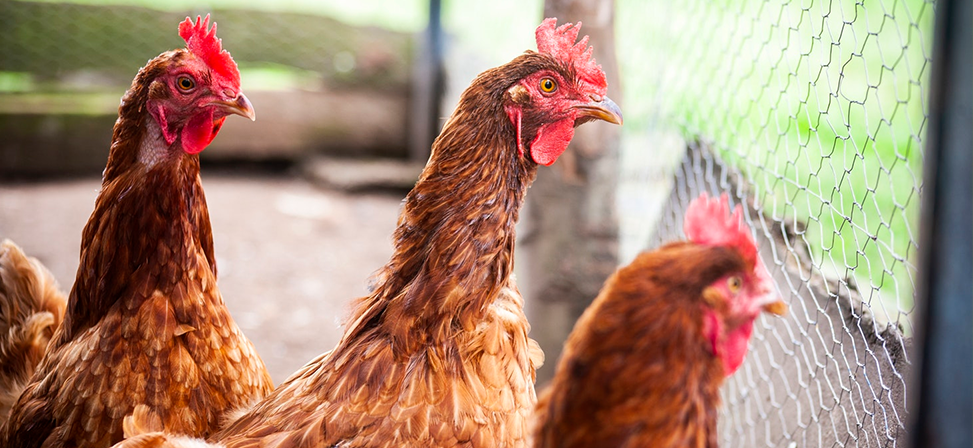
I raised two myself. They were Rhode Island Reds and a Sumatra. The Rhode Island Reds were very friendly birds that were easy to take care of. They produced excellent eggs. The Sumatra, in contrast, was an aggressive bird. Maybe I had an exceptionally cranky bird, but she was mean. She constantly attacked me. I personally would advice against them as egg layers. Who wants to fight your chickens over eggs? When I choose my next flock, they will be the Reds. I’ve heard the Silkies are also super easy to raise, but their eggs can be on the smaller side. I think they’re one of the pretties chicken breeds. The truth is, there are tons of varieties that I’m sure will work great for you. The best thing to do is buy a few and try them out. Every breed has it’s benefits. Here is a chart put out by MSU to help you select your breed. This is a pdf and it will download as soon as you click on the link. MSU Chicken Breed Chart
Protecting Your Chickens From Predators
I didn’t worry about this during the daylight hours and I had about every major threat a chicken could face. I had tons of coyotes around my property. Eagles and hawks were constantly hanging out around the property. I’m sure there were raccoon that came out at night. What I realized is most of the predators are night hunters. The coyotes and raccoons only came out, in general, from dusk until dawn. The birds of prey were my biggest concern, but I gave my chickens plenty of ways to duck under the porch, in their coop, or other little hiding spots. I never lost any of my chickens.
Every night, about an hour before the sun went down, the chickens would naturally go into their coop. I would seal things up tight. In the morning, when I woke up, I would feed them their corn and release them for the day. I do think a hawk or eagle had a chance to take them out, but there were plenty of rabbits in my area and other game for them to go after. Ultimately you’ll need to decide if the risk of losing your chickens is worth letting them roam free all day. To me it was. The extra food they would gather helped keep them fed and helped keep the bugs down on my property.
The Cost Of Raising Chickens
I didn’t spend much money at all. I bought a bag of feed. It was mostly cracked corn and feed pellets designed for egg laying chickens. The feed pellets have vitamins and other nutrients that are suppose to help chickens raised to lay eggs. I usually paid about $9 for a 50lb bag for the cracked corn and $15 for a 50lb bag of pellets. The two bags lasted well over a month. Because my chickens free ranged, I’m sure I could of stretched those bags out over two months or longer if I really wanted to. To me, $24 for a month (up to six weeks) of free range chicken eggs was worth the cost. I was taught by my neighbor who raised a lot of chickens to soak my cracked corn in water over night. This made the corn swell, which helped fill up the chickens and it supposedly also helped keep them from becoming dehydrated. I never got a second opinion on this, but it worked great for me. The other main cost will be building a secure chicken coop. It will need to be well built to prevent raccoons and coyotes from killing your birds while you sleep. I personally built mine with pallet wood I went around and gathered from local industrial parks in town. Even if you bought the wood and wire mesh, I doubt you would spend more than $200 to build a decent coop. If you don’t plan to let your chickens roam free during the day, you might want to spend a little more to build a bigger area for them to spend their day.
The final expense you’ll likely have is some deworming products. I have some recommendations below, but the cost of the natural remedies are fairly cheap. The truth is, you will probably spend about $7-10 per month per chicken to raise them. If you consider you should get 30 eggs for that chicken you are paying about the same price as store bought eggs for free range natural chicken eggs. If you’ve never had free, free ranged chicken eggs, you don’t know what you’re missing. The stuff in the store doesn’t even come close. The upside is the chicken itself. After a couple years, you can slaughter the bird and have chicken meat. The cost is pretty minimal when you take everything into account.
Dealing With Parasites In Your Backyard Chicken Flock
Chickens, especially free range chickens will eventually have parasites you will need to address. In most cases, you can manage these pest with natural remedies. There is a FDA approved dewormer called piperazine. To my knowledge this isn’t approved for egg laying chickens. That leaves a large gap for natural solutions. A really well known and widely used dewormer is diatomaceous earth. Not only does it help with worms, but it also helps with lice and mites. Diatomaceous earth (diatoms) is fossilized algae that creates a chemical called silica.
3 Ways To Use Diatomaceous Earth
- Sprinkle it around the coop: Place the DE around areas the chickens spend a lot of time. This material will destroy the outer shell of mites and lice, drying them out.
- Dust your chickens: Give your chickens a dry bath of diatomaceous earth to help rid their bodies of parasites. Just like it will in the coops, the silica will damage the outside layer of the insects and dry them up.
- Feed it to you chickens: It also works as a natural deworming agent. Besides that, it also has some minerals that are beneficial to your hen’s health. Just mix it into your feed every so often. A good rule of thumb is to watch your chicken eggs. If they have any poop on them and seem to be less clean than they should be, then add some diatomaceous earth to the feed.There are studies that suggest adding peppers with capsaicin will help rid the parasites inside chickens. Apparently the heat of the pepper disrupts the life cycle of these bugs. Wormwood and sage have also been suggest as treatments. Wormwood in particular has been used for centuries to rid humans and animals of parasites. I don’t personally have any experience with these last three ingredients, but it couldn’t hurt to add them to the mix. Worse case scenario is they add more variety of foods to your hen’s diet.
Raising Chickens For Meat
There are a variety of chickens that you can raise for meat, but one of the most famous breeds is the Cornish Cross. It can gain 12 pounds in less than 8 weeks. It’s hard to beat a chicken that will give you that much meat in that short period of time. If you want a dual purpose breed that will lay eggs and be good for meat production as well, and one that is considered a “heritage breed”, than look no further than the Rhode Island Red. I found them to be very calm birds that would follow you around the yard like a dog. They are a consistent producer of eggs and provide a significant amount of meat.
It is important to decide if you want them purely for meat or dual purpose. The older a chicken becomes, the tougher they become If you want a chicken that is more similar to the type you get in the grocery store, than stick with the Cornish Cross. From a hatchling to a harvest ready bird is only 6-8 weeks. Some breeds won’t live much longer even if you don’t kill them. Their big bodies will weigh them down. This will cause them to break their legs or flip over and prevent them from righting themselves. If you want chickens you can harvest over several months, than this probably isn’t the breed for you.
Final Thoughts
Chickens are an excellent source of protein, either as eggs or meat. Historically, every society eats chicken. In most cases, there aren’t limitations due to religious reasons. They are easy to care for and easy to butcher when you’re ready to put meat in the freezer. You’ll have over a dozen varieties to choose from. Some handle heat better than others. Some are better at confined areas. The choices are as varied as the conditions they’ll be raised in. In almost all cases, chickens are a great choice for homesteads and people who want to live off grid.